
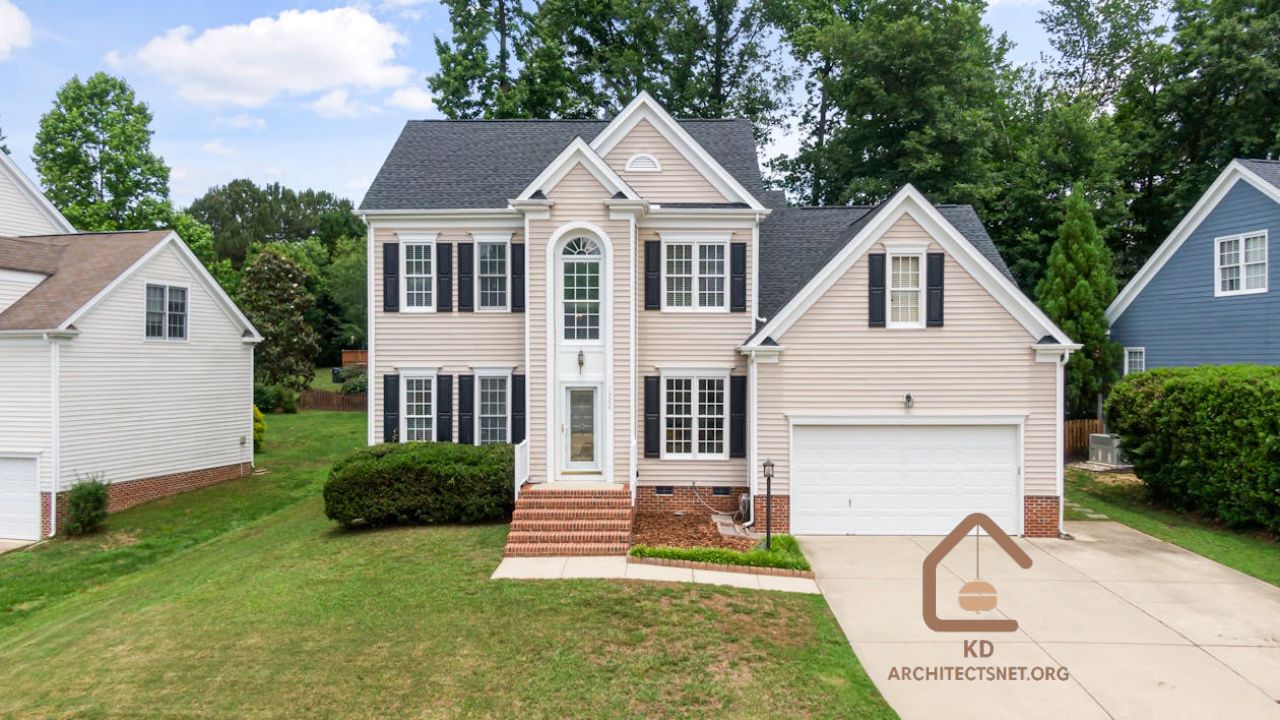
Curb appeal is often treated as a surface issue, yet the roof quietly determines how the entire exterior holds together visually. From the street, the roof establishes proportion, weight, and direction before details like siding or trim ever register. Its lines influence whether the home feels balanced or unsettled, and its finish affects how light interacts with the structure across the day. These effects happen regardless of renovation, which is why roof design choices matter even when no major changes are planned.
What makes roof design particularly powerful is its ability to refine perception rather than alter structure. Slight adjustments to edges, alignment, texture, or finish can change how intentional the home appears without touching the footprint. Homeowners who approach roof decisions as part of the overall visual system tend to achieve curb appeal that feels cohesive rather than decorative. The roof becomes a framing element, shaping how the rest of the home is seen.
Roofline Balance
Roofline symmetry influences how easily the eye moves across a home. When roof planes feel visually aligned, the structure reads as deliberate and well-composed. Even minor inconsistencies in line height or proportion can disrupt that impression, drawing attention away from the home as a whole and toward isolated elements.
Assessing roofline balance often reveals where visual goals intersect with structural reality. In cases where surface-level adjustments are not enough, roof replacement becomes the moment where professional guidance matters most. Experienced teams understand how to work within structural limits while improving alignment and proportion, allowing balance to be refined without introducing performance risks. This input helps translate visual intention into results that hold up over time.
Sharper Roof Edges
The edges of the roof define the boundary between structure and sky. When these edges lack clarity, the home’s outline can feel indistinct, even if materials are in good condition. Refining the edge definition brings precision to the silhouette, making the structure appear more resolved from a distance.
Clean edge lines reinforce visual order. Consistent transitions at eaves and rakes help the roof feel connected to the rest of the exterior rather than sitting above it as a separate element. Such refinements support curb appeal through restraint, strengthening the home’s profile without relying on added detail or contrast.
Ridge Cap Detail
Ridge caps provide visual closure at the top of the roof, yet they are often treated as purely functional. When ridge detailing feels inconsistent or unfinished, it can undermine the appearance of the entire roof surface. The eye naturally travels upward, and the ridge becomes a focal point whether intended or not.
Updating ridge cap styling brings cohesion to the roofline. A well-considered ridge treatment signals completeness and care, reinforcing the roof as a unified surface. This subtle refinement improves how the roof reads from the street and contributes to an exterior that feels thoughtfully composed rather than assembled in parts.
Texture From the Street
Roofing texture affects how depth and dimension appear from a distance. Flat or overly uniform surfaces can feel visually heavy, especially on larger roof spans. Thoughtful texture introduces variation that softens the roof’s presence without calling attention to itself.
When texture aligns with the scale and character of the home, it adds visual interest that remains understated. The roof gains depth as light shifts, supporting curb appeal through nuance rather than bold change. Texture becomes a supporting element that enhances perception without altering structure or layout.
Pitch And Framing
Roof pitch plays a significant role in how the home is framed visually. The angle of the roof influences where the eye lands and how the façade is perceived in relation to the roof mass. Even when pitch remains unchanged, understanding its visibility helps guide other design decisions.
Evaluating how pitch frames the façade allows surface choices to work in harmony with the structure. Color placement, edge definition, and texture can all be adjusted to complement the existing angles. Once pitch and surface treatment align, the roof supports the overall composition instead of drawing attention away from it.
Finish And Glare
The finish of a roof surface influences how the home reads under changing light conditions. Reflectivity affects glare, visibility, and how sharply the roof stands out against the rest of the exterior. A finish that reflects too much light can draw attention upward in ways that feel distracting, while a muted surface allows the structure to settle visually into its surroundings.
Choosing between matte and reflective finishes becomes a design decision rather than a technical one. Matte finishes tend to absorb light more evenly, helping the roof feel grounded and consistent throughout the day. This steadiness supports curb appeal by keeping attention on the home as a whole rather than on shifting surface highlights.
Valley Lines
Roof valleys form some of the most visually complex areas of the roofline. These intersections guide water flow, but they also guide the eye, especially when visible from the street. When valleys feel uneven or visually cluttered, they can interrupt the sense of order across the roof surface.
Enhancing valley appearance focuses on alignment, consistency, and clean transitions. Once valley lines appear intentional and well-integrated, they reinforce the overall geometry of the roof. This refinement allows complex roof forms to read clearly rather than feeling fragmented.
Color Coordination
Color contrast between roof planes influences how unified the roof appears from a distance. Sharp or inconsistent contrast can make separate planes feel disconnected, even when they share the same material. Managing this contrast helps the roof present as a cohesive element rather than a collection of parts.
Thoughtful color coordination supports visual continuity across angles and elevations. As tones work together, the roof feels calm and deliberate, allowing other exterior elements to hold their place without competition.
Fascia Alignment
Fascia sits at the edge of the roof and acts as a visual boundary between the roof and the wall. Its color and finish influence how clearly that boundary is defined. If the fascia feels disconnected from the roof, the transition can appear abrupt or unfinished.
Aligning fascia color with roof tones strengthens that boundary and reinforces the roof’s outline. This alignment helps the roof feel anchored to the structure rather than floating above it.
Roof design choices shape curb appeal in ways that often go unnoticed until they are thoughtfully refined. By focusing on balance, edge clarity, surface finish, and visual alignment, homeowners can improve how their home is perceived without major renovation. These adjustments work quietly, supporting cohesion and proportion rather than drawing attention to themselves. When the roof is treated as a design element rather than a background surface, it strengthens the entire exterior. Subtle, intentional choices allow the home to feel composed, settled, and visually confident from the street.