
Introduction
There are certain words that instantly spark curiosity, and decadgarden is one of them. It feels intentional, layered, and symbolic—almost like it’s inviting you to look closer rather than scroll past.
In recent months, decadgarden has started appearing across digital spaces, prompting questions about what it represents, where it comes from, and why it resonates with people who value creativity and visual identity. This isn’t just another abstract name—it carries emotional and aesthetic weight.
At its core, decadgarden sits at the intersection of design, digital culture, and modern self-expression. Whether you encountered it as a brand name, creative handle, or visual concept, it leaves an impression that feels deliberate rather than accidental.
This article unpacks decadgarden in a clear, human way—exploring its meaning, philosophy, digital presence, and why it matters in a world saturated with forgettable names.
What decadgarden Means and Why It Stands Out
Defining decadgarden
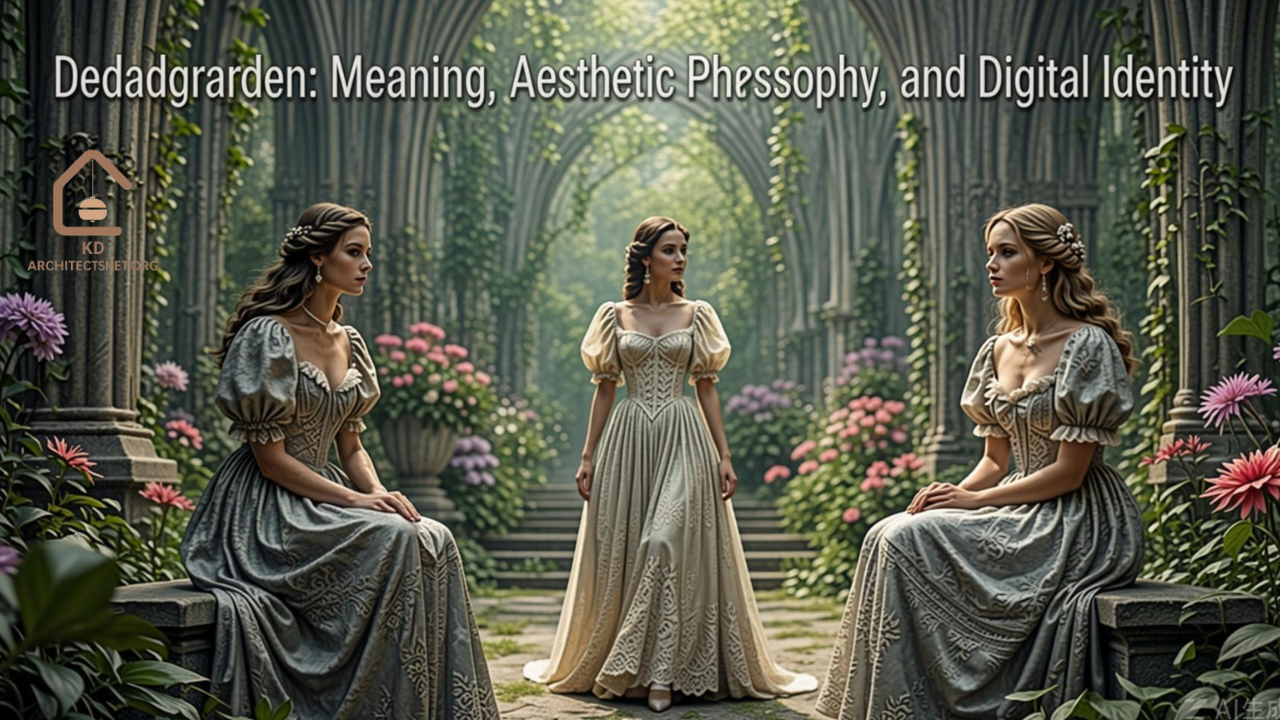
The term decadgarden blends two powerful ideas: decadence and garden. Individually, they evoke very different emotions. Together, they create tension—and that’s exactly why the word works.
Decadence often suggests excess, richness, or beauty that goes beyond necessity. A garden, on the other hand, represents growth, patience, and organic structure. When combined, decadgarden becomes a metaphor for curated abundance—something carefully grown yet unapologetically expressive.
Unlike generic brand names, decadgarden doesn’t explain itself instantly. That ambiguity invites interpretation, which is a major reason people remember it.
Why the name feels intentional
In branding and creative culture, names that feel too clear often fade quickly. decadgarden works because it:
- Sparks curiosity instead of providing answers
- Feels visual even without imagery
- Suggests story, mood, and depth
This balance makes decadgarden feel less like a label and more like an experience.

The Philosophy Behind decadgarden
A controlled kind of chaos
At a philosophical level, decadgarden represents beauty that isn’t sterile. It leans into imperfection, layering, and contrast. Think of a garden that isn’t trimmed into rigid shapes—but still clearly intentional.
This mindset aligns strongly with modern creative movements that reject perfection in favor of authenticity. In reality, audiences are drawn to work that feels lived-in, textured, and emotionally honest.
Growth without restriction
Another core idea behind decadgarden is growth without excessive rules. Gardens grow best when guided, not controlled. This philosophy translates well into:
- Creative work
- Digital identity
- Personal expression
Rather than forcing symmetry, decadgarden suggests letting ideas expand naturally while still maintaining a coherent vision.

Decadence and Gardens: Symbolism Explained
Decadence as richness, not excess
Decadence is often misunderstood as indulgence without purpose. In the context of decadgarden, decadence means richness of detail—deep colors, layered ideas, and emotional density.
It’s about having more meaning, not just more elements.
Gardens as living systems
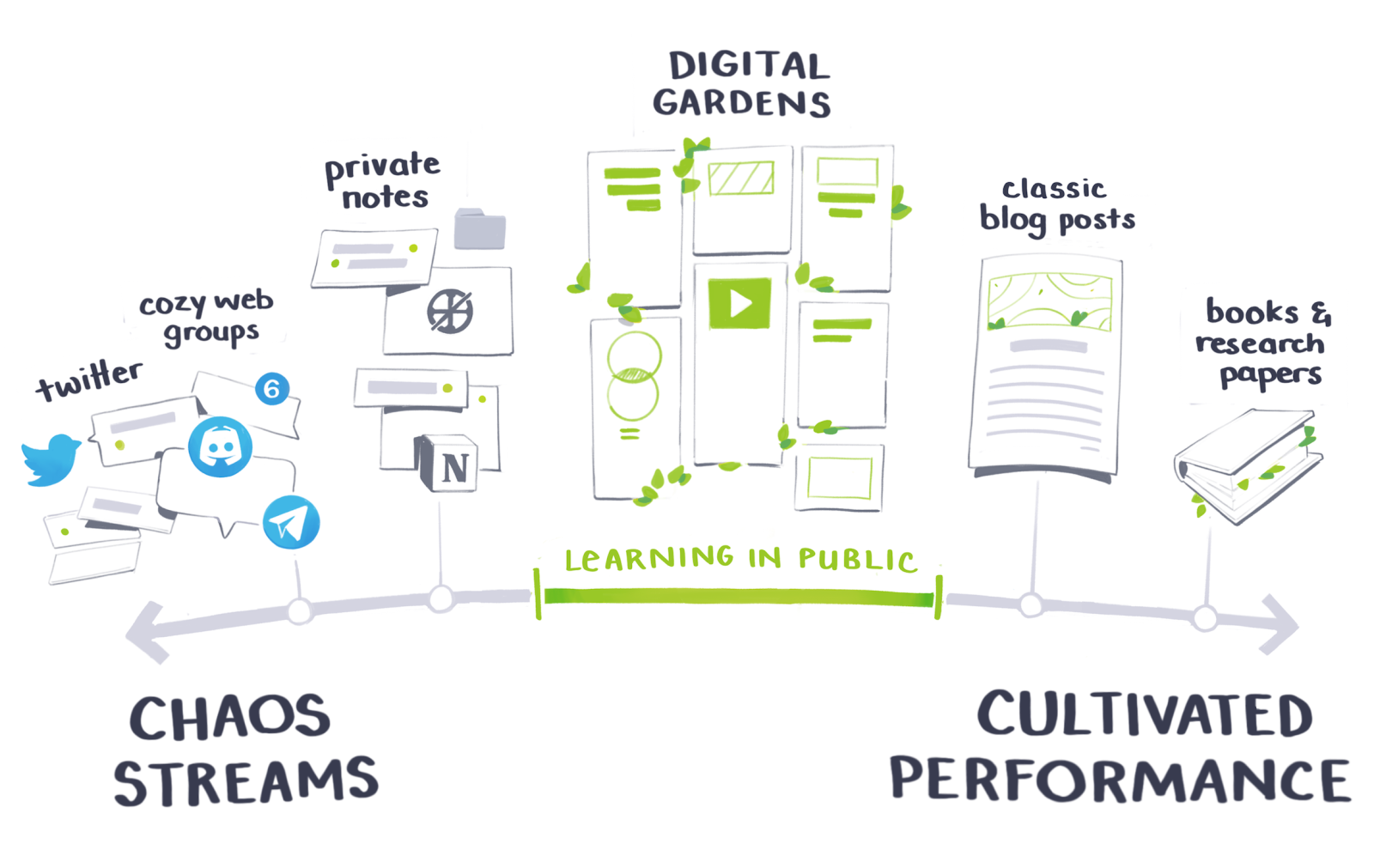
Gardens are never static. They change with time, seasons, and care. This symbolism makes decadgarden especially powerful in digital spaces, where identities evolve constantly.
Together, these symbols suggest a living creative system—something that grows, adapts, and deepens rather than staying fixed.
How decadgarden Fits Into Modern Digital Culture
Digital spaces crave meaning
In a feed-driven internet, most content is designed for speed, not depth. decadgarden pushes gently in the opposite direction. It encourages slowing down, observing, and engaging emotionally.
This approach resonates particularly with:
- Designers
- Artists
- Writers
- Brand builders
People who value intentional creation tend to gravitate toward concepts that feel thoughtful rather than optimized to death.
Identity over algorithms
Another reason decadgarden works in modern culture is that it prioritizes identity over trends. Algorithms confirm visibility, but identity builds loyalty. Names and concepts like decadgarden create room for long-term recognition.

Visual Identity and Aesthetic Elements
Common visual themes
Although decadgarden can take many forms, certain visual patterns appear frequently:
- Organic shapes mixed with structured layouts
- Earthy tones contrasted with rich accents
- Natural imagery paired with modern typography
These elements reinforce the core philosophy—growth guided by intention.
Texture over polish
Highly polished visuals can feel distant. decadgarden aesthetics often include texture, grain, and visual depth, making designs feel tactile even on a screen.
This approach signals authenticity rather than manufactured perfection.

Why decadgarden Resonates With Creatives
Emotional connection matters
Creatives are naturally drawn to concepts that reflect internal states. decadgarden feels introspective. It doesn’t shout; it invites.
That emotional softness paired with conceptual strength creates a sense of belonging for people who feel overwhelmed by loud digital branding.
Freedom with structure
One of the most appealing aspects of decadgarden is its balance. It allows freedom without becoming chaotic, structure without becoming rigid. That balance mirrors the creative process itself.
Digital Presence and Brand Positioning
Flexible across platforms
A major strength of decadgarden is adaptability. The concept works across:
- Visual platforms (Instagram, portfolios)
- Written spaces (blogs, essays)
- Brand identities
It doesn’t rely on a single format to make sense, which is essential for long-term digital relevance.
Niche without limitation
While decadgarden appeals strongly to creative audiences, it isn’t locked into a narrow niche. Its symbolism allows it to expand into design, lifestyle, art, or even philosophy-driven branding.
Personal Background and Creative Journey (If Applicable)
In cases where decadgarden represents an individual or creative project, it often reflects a personal journey rather than a corporate strategy.
Typically, this includes:
- A gradual evolution rather than a sudden launch
- Exploration across multiple creative mediums
- A focus on depth over rapid monetization
Financially, projects aligned with decadgarden tend to prioritize sustainability over explosive growth. Net worth or revenue is usually reinvested into tools, learning, and refinement rather than flashy expansion.
This slow-build approach mirrors the garden metaphor itself—growth that compounds quietly over time.
Common Misconceptions About decadgarden
“It’s just an aesthetic word”
While the name is aesthetic, decadgarden is more than surface-level branding. It represents a philosophy that influences how things are created and shared.
“It has no clear meaning”
Ambiguity doesn’t mean emptiness. In reality, open-ended concepts allow deeper personal interpretation, which strengthens emotional attachment.
“It’s trend-based”
Trends move fast. decadgarden moves slowly—and that’s precisely why it lasts.
FAQs
What does decadgarden actually mean?
decadgarden symbolizes curated abundance—creative growth that embraces richness, imperfection, and intentional design.
Is decadgarden a brand or a concept?
It can be both. decadgarden works as a creative brand name and as a broader aesthetic or philosophical idea.
Why is decadgarden gaining attention online?
Because it offers depth and emotional resonance in a digital space dominated by shallow trends.
Is decadgarden connected to design or art?
Yes, it strongly aligns with creative disciplines like design, visual storytelling, and conceptual branding.
Can decadgarden be used for personal branding?
Absolutely. Its flexibility makes it ideal for individuals who want identity-driven rather than trend-driven branding.
Is decadgarden niche-specific?
No. While it resonates with creatives, its symbolism allows expansion into multiple fields.
Does decadgarden imply luxury?
Not traditional luxury. It implies richness of meaning rather than high price or exclusivity.
Why does the garden metaphor matter?
Gardens represent growth, care, and evolution—key ideas in sustainable creative work.
Conclusion
decadgarden works because it doesn’t try to explain everything at once. It invites curiosity, rewards attention, and grows in meaning the longer you engage with it.
In a digital world obsessed with speed, decadgarden chooses depth. In a culture chasing trends, it values identity. And in a landscape full of noise, it quietly builds presence.
That combination—thoughtful, layered, and human—is exactly why decadgarden stands out now and why it’s likely to remain relevant well into the future.