

Introduction
There’s something irresistibly magnetic about dark, atmospheric spaces—the kind that make you slow down, look closer, and feel the room. Gothic home decor isn’t about living in darkness; it’s about embracing depth, drama, and emotion in a way that feels intentional and deeply personal.
At its core, gothic style blends old-world romance with bold design choices. Think candlelit corners, rich textures, and furniture that looks like it carries stories from another century. In reality, modern gothic interiors can feel surprisingly warm, intimate, and even comforting when done right.
If you’ve ever been drawn to moody color palettes, ornate details, or interiors that break away from sterile minimalism, this design style speaks your language. Let’s explore how to create a gothic-inspired home that feels elegant—not eerie—and expressive rather than overwhelming.
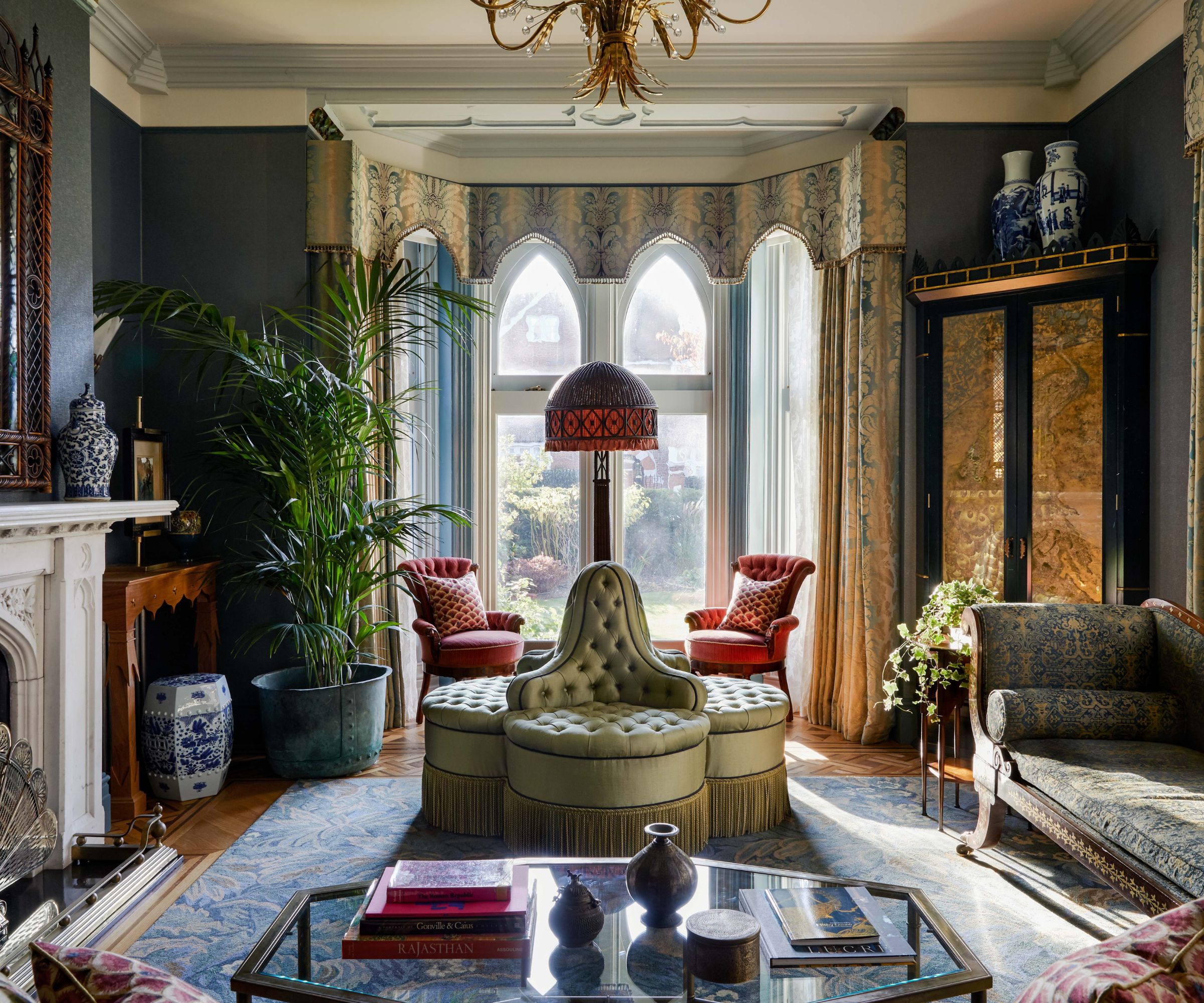
What Is Gothic Home Decor?
Gothic home decor is an interior design style rooted in drama, history, and emotional depth. It draws inspiration from medieval architecture, Victorian interiors, and romantic European influences—reinterpreted for modern living.
Rather than focusing solely on darkness, gothic interiors emphasize contrast. Shadow meets candlelight. Heavy textures balance delicate details. The result is a space that feels layered, expressive, and timeless.
This style often appeals to people who value individuality. It’s not trend-driven. Instead, it leans into storytelling—each object, fabric, or color choice adding a chapter to the overall atmosphere.
The Origins of Gothic Interior Design
Gothic design traces back to 12th-century Europe, where towering cathedrals featured pointed arches, ribbed vaults, and intricate stonework. Over time, these architectural ideas influenced residential spaces, especially during the Victorian era.
In the 19th century, gothic revival brought darker interiors into private homes. Heavy drapery, carved wood furniture, and ornate patterns became symbols of sophistication and mystery.
Today’s gothic interiors borrow from this heritage but adapt it for comfort. Modern layouts, softer lighting options, and practical materials help the style feel livable rather than theatrical.
Core Elements of Gothic Home Decor
Every successful gothic interior relies on a few foundational elements. When these are balanced correctly, the space feels intentional rather than chaotic.
Dramatic Contrast
Light against dark is essential. Black walls paired with antique gold accents or pale marble surfaces create visual tension that feels luxurious.
Ornate Detailing
Carved wood, filigree patterns, and decorative molding add historical richness. Even small details—like drawer handles or mirror frames—matter.
Emotional Atmosphere
Gothic spaces aim to evoke feeling. Whether it’s romance, introspection, or quiet intensity, the mood is never neutral.
Used thoughtfully, gothic home decor transforms a room into an experience rather than just a functional area.

Color Palettes That Define Gothic Interiors
Color plays a defining role in gothic design. While black is iconic, it’s rarely used alone.
Classic Gothic Colors
- Deep black and charcoal
- Burgundy and wine red
- Emerald green
- Navy and midnight blue
- Dark plum and aubergine
Supporting Neutrals
- Antique ivory
- Stone gray
- Muted metallics like brass and bronze
These colors create richness without feeling flat. On the other hand, too much black without variation can make a room feel heavy rather than elegant.
Furniture Styles in Gothic Homes
Furniture in gothic interiors tends to feel substantial. Pieces often appear aged, handcrafted, or inspired by historical forms.
Common Furniture Characteristics
- Solid wood construction
- Curved or carved legs
- High-backed chairs
- Canopy or four-poster beds
- Distressed or matte finishes
That said, mixing eras works beautifully. A sleek modern sofa paired with an antique coffee table can ground the space while preserving its dramatic edge.
Gothic Wall Decor and Architectural Details
Walls are where gothic design truly comes alive. They’re more than backgrounds—they’re storytellers.
Wall Treatments
- Dark matte paint
- Textured wallpaper with damask or floral motifs
- Faux stone or brick accents
Decorative Additions
- Oversized mirrors with ornate frames
- Tapestries or fabric wall hangings
- Gallery walls featuring classical art, portraits, or symbolic imagery
These layers prevent the room from feeling empty or cold.
Lighting Ideas for a Dramatic Gothic Atmosphere
Lighting sets the emotional tone. In gothic interiors, harsh overhead lighting is usually avoided.
Ideal Lighting Options
- Chandeliers with candle-style bulbs
- Wall sconces for ambient glow
- Table lamps with fabric or stained-glass shades
- Floor lamps placed in corners to soften shadows
Warm lighting enhances textures and makes darker colors feel inviting rather than oppressive.
Textiles, Fabrics, and Layering
Soft materials bring balance to heavy visuals. Without them, gothic spaces can feel rigid.
Popular Fabric Choices
- Velvet
- Brocade
- Lace
- Leather
- Heavy cotton or linen blends
Layer rugs, curtains, throws, and cushions to add depth. In reality, these layers are what make gothic interiors comfortable for daily life.
Blending Gothic Decor With Modern Design
Not everyone wants a fully traditional look—and that’s okay. Gothic style blends surprisingly well with contemporary design.
Modern-Gothic Balance Tips
- Use dark walls with minimalist furniture
- Pair antique decor with clean-lined lighting
- Limit ornate elements to one or two focal areas
This approach keeps the space fresh while preserving its moody identity.
Room-by-Room Gothic Decorating Ideas
Gothic Living Room
Focus on statement seating, dark walls, layered rugs, and dramatic lighting. A single ornate mirror can anchor the entire room.
Gothic Bedroom
Canopy beds, rich bedding, and soft lighting create intimacy. Dark walls feel especially soothing here.
Gothic Dining Area
A heavy wooden table, candle-style lighting, and dark table linens transform meals into experiences.
Gothic Bathroom
Black tiles, vintage-style fixtures, and metallic accents add unexpected luxury.

Common Mistakes to Avoid
Even beautiful gothic interiors can fall flat if certain pitfalls aren’t avoided.
- Overusing black without texture
- Ignoring lighting balance
- Cluttering spaces with too many decorative items
- Treating gothic decor as costume rather than design
Remember, restraint is what turns drama into elegance.
FAQs
What defines gothic home decor?
It’s defined by dark color palettes, ornate details, historical influences, and an emphasis on mood and atmosphere.
Is gothic decor suitable for small spaces?
Yes. Using lighter accents, mirrors, and strategic lighting prevents small rooms from feeling closed in.
Can gothic interiors feel cozy?
Absolutely. Soft fabrics, warm lighting, and layered textures make gothic spaces surprisingly inviting.
Is gothic decor expensive?
Not necessarily. Thrifted furniture, DIY wall treatments, and vintage finds can achieve the look affordably.
How do I start decorating in gothic style?
Begin with color—paint, textiles, or art—then build gradually with furniture and lighting.
Can gothic decor be family-friendly?
Yes. Focus on elegance and comfort rather than extreme or macabre themes.
Does gothic decor work with modern homes?
It does. Blending contemporary layouts with gothic accents creates a striking contrast.
Conclusion
Gothic interiors aren’t about darkness for its own sake. They’re about depth, emotion, and intentional design choices that reflect personality and taste. When done thoughtfully, gothic home decor creates spaces that feel timeless, expressive, and deeply human.
Whether you lean toward subtle moody accents or fully immersive drama, gothic style offers freedom—freedom to break rules, tell stories, and design a home that feels unapologetically yours.