
Introduction
There’s nothing quite like the sudden silence of a power outage—the lights flicker, your fridge hum stops, and you realize just how dependent modern life is on electricity. That’s exactly where home generators step in, turning chaos into calm in seconds.
Whether you live in an area prone to storms, frequent outages, or simply want peace of mind, investing in home generators isn’t just a convenience—it’s a smart safety net. From keeping your food fresh to ensuring your family stays comfortable, the right generator can make all the difference.
But here’s the thing: choosing the right one isn’t as simple as picking the biggest machine on the shelf. There are different types, fuel options, costs, and real-world considerations that many buyers overlook. And honestly, making the wrong choice can be expensive—and frustrating.
So let’s break it all down in a way that actually makes sense.
Types of Home Generators
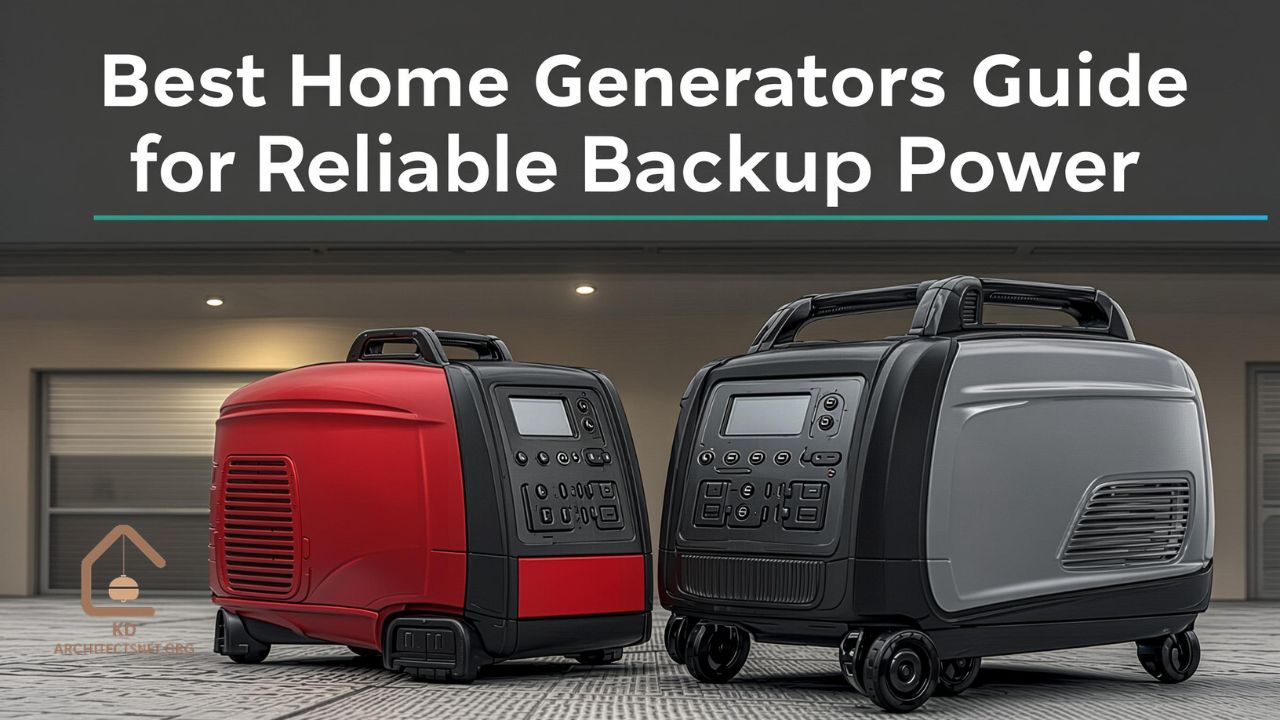
When people talk about home generators, they’re usually referring to one of three main categories. Each has its own strengths—and trade-offs.
Portable Generators
Portable generators are the most common entry point.
They’re:
- Affordable
- Easy to move
- Great for short outages
However, they require manual setup and refueling. You also need to run extension cords or install a transfer switch.
Best for:
- Budget-conscious users
- Occasional outages
- Outdoor use (camping, events)
Standby Generators
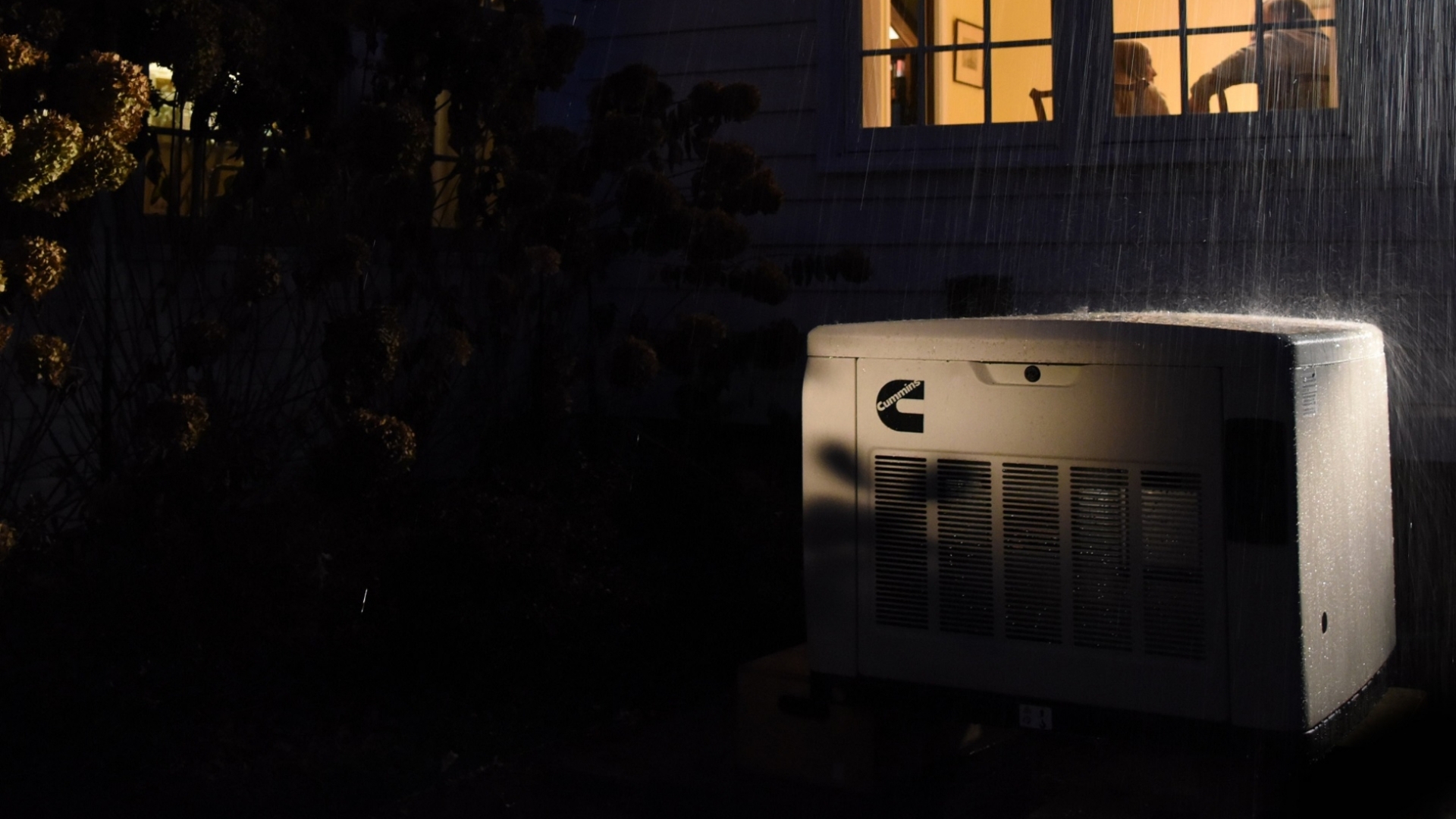
Standby generators are permanently installed outside your home and kick in automatically during an outage.
They:
- Run on natural gas or propane
- Power entire homes
- Require professional installation
Best for:
- Families needing uninterrupted power
- Areas with frequent outages
- Long-term reliability
Inverter Generators
These are the “smart” version of portable units.
They:
- Produce cleaner electricity
- Are quieter and more fuel-efficient
- Ideal for sensitive electronics
Best for:
- Laptops, TVs, and modern appliances
- Quiet environments
- Energy efficiency
How Home Generators Work
At a basic level, home generators convert mechanical energy into electrical energy. Sounds simple, right? But the magic happens in the details.
The Core Process
- Fuel powers an engine
- The engine spins an alternator
- The alternator generates electricity
- Electricity flows into your home
In standby systems, an automatic transfer switch detects outages and switches your home’s power source instantly.
Why This Matters
Understanding how home generators work helps you:
- Choose the right size
- Avoid overload issues
- Maintain your system properly
In reality, most problems people face come from misunderstanding power requirements—not faulty machines.
Key Features to Consider Before Buying
Buying home generators isn’t just about price. It’s about matching the generator to your actual needs.
Power Output (Watts)
This is the most critical factor.
- Starting watts: Required to start appliances
- Running watts: Needed to keep them running
Common household needs:
| Appliance | Watts |
|---|---|
| Refrigerator | 600–800 |
| AC Unit | 2000–4000 |
| Lights | 100–300 |
| Laptop | 50–100 |
Runtime
How long can the generator run on a full tank?
- Portable: 6–12 hours
- Standby: Unlimited (with fuel supply)
Noise Level
Some generators are surprisingly loud.
- Portable: 60–90 dB
- Inverter: 50–60 dB
If you have neighbors—or value peace—this matters.
Transfer Switch
A transfer switch allows safe connection to your home.
Without it:
- You risk electrical hazards
- You can damage appliances
Fuel Types Explained
Fuel choice directly impacts cost, convenience, and performance.
Gasoline
- Easily available
- Affordable upfront
- Short shelf life
Propane
- Cleaner burning
- Longer storage life
- Slightly less efficient
Natural Gas
- Unlimited supply (if connected)
- Ideal for standby generators
- Requires installation
Diesel
- Highly efficient
- Long-lasting engines
- More expensive upfront

Cost Breakdown of Home Generators
Let’s talk numbers—because this is where most people hesitate.
Initial Cost
- Portable generators: $300–$1,500
- Inverter generators: $500–$3,000
- Standby generators: $3,000–$15,000+
Installation Costs
- Transfer switch: $300–$800
- Professional installation: $1,000–$5,000
Operating Costs
Fuel costs vary, but here’s a rough idea:
- Gasoline: Higher long-term cost
- Natural gas: More stable pricing
- Diesel: Efficient but pricey upfront
Hidden Costs
Many buyers overlook:
- Maintenance
- Repairs
- Fuel storage
That said, the peace of mind often outweighs the expense.
Installation and Maintenance Tips
Even the best home generators fail if poorly maintained.
Installation Tips
- Always use certified electricians
- Ensure proper ventilation
- Place generators outdoors
Maintenance Checklist
- Change oil regularly
- Inspect fuel lines
- Test monthly
- Replace filters
A well-maintained generator can last 10–20 years.
Safety Considerations
This is non-negotiable.
Carbon Monoxide Risks
Never run generators indoors.
- Use at least 20 feet away from home
- Install CO detectors
Electrical Safety
- Use proper wiring
- Avoid overloading
- Install surge protection
Fuel Storage
- Store in approved containers
- Keep away from heat sources
Real-Life Use Cases and Benefits
Let’s bring this into real life.
Scenario 1: Storm Outage
A family loses power for 48 hours.
With home generators:
- Food stays fresh
- Phones stay charged
- Stress stays low
Scenario 2: Remote Living
In rural areas, outages can last days.
Generators provide:
- Water pump operation
- Heating systems
- Internet connectivity
Scenario 3: Medical Needs
For families relying on medical equipment, generators aren’t optional—they’re essential.
Personal Background: Evolution of Generator Technology
The journey of generators is fascinating.
Early Days
Generators started as industrial machines—large, loud, and inefficient. They were used mainly in factories and military operations.
Modern Advancements
Today’s home generators are:
- Compact
- Efficient
- Smart-enabled
Some even connect to mobile apps for monitoring.
Industry Growth
The global generator market is valued at billions of dollars and continues to grow due to:
- Climate change
- Power grid instability
- Increased energy demand
Financial Insights
Top generator brands generate massive revenues annually, reflecting how essential backup power has become worldwide.
FAQs
What size home generator do I need?
It depends on your appliances.
Add up running watts of essential devices. Most homes need 5,000–10,000 watts.
Are home generators worth it?
Yes, especially in outage-prone areas.
They provide safety, comfort, and long-term reliability.
How long can generators run continuously?
Portable: 6–12 hours
Standby: Days or weeks (with fuel)
Can I install a generator myself?
Not recommended.
Professional installation ensures safety and compliance.
Which fuel is best?
Natural gas is most convenient
Diesel is most efficient
Gasoline is most accessible
How often should I maintain my generator?
Monthly testing
Annual professional servicing
Are generators noisy?
Some are.
Inverter generators are the quietest option.
Can generators power an entire house?
Yes, standby generators can.
Portable ones usually power essentials only.
What is an inverter generator?
A generator that produces clean, stable power for electronics.
Do generators increase home value?
Yes, especially standby systems.
They’re seen as a premium feature.
Conclusion
Choosing the right home generators isn’t just about buying a machine—it’s about investing in reliability, safety, and peace of mind. Whether you’re preparing for unexpected outages or simply want to stay comfortable no matter what, the right generator transforms uncertainty into control.
Take your time, assess your needs honestly, and think long-term. Because when the lights go out, you won’t be thinking about the price—you’ll be glad you made the right choice.