Introduction
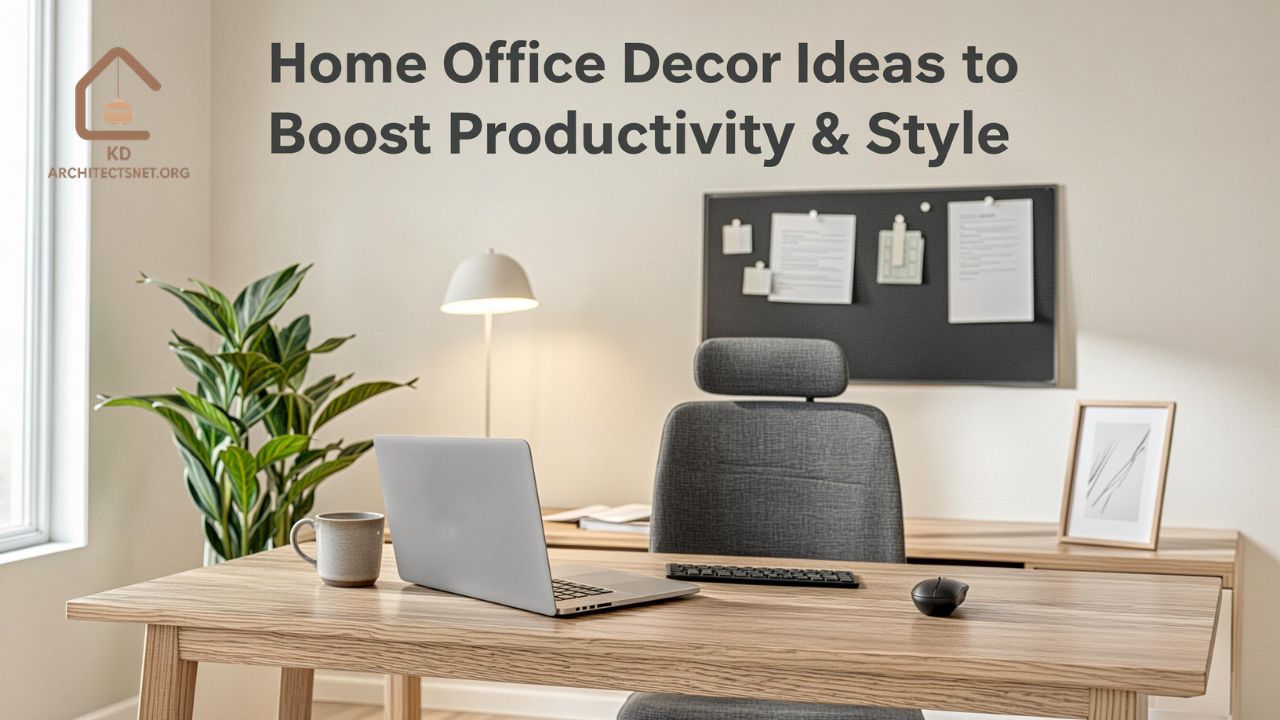
Working from home has shifted from a temporary solution to a long-term lifestyle for millions of people worldwide. Yet many still struggle to create a space that feels inspiring rather than distracting. That’s where home office decor becomes more than just aesthetics—it directly affects focus, comfort, and productivity.
In reality, your surroundings influence how you think, feel, and perform. A cluttered, poorly lit workspace can drain energy, while a thoughtfully designed office can quietly motivate you to do your best work every day.
Whether you’re setting up a new workspace or refreshing an old one, the right decor choices can transform how you experience your workday. This guide breaks down practical, stylish, and human-tested ideas to help you design a home office that works as hard as you do.

Why Home Office Decor Matters More Than You Think
The Psychology Behind Your Workspace
Your brain constantly reacts to visual cues. Colors, lighting, textures, and layout all influence concentration and stress levels. Studies in environmental psychology suggest that well-designed workspaces can increase productivity by up to 20%.
When your office feels intentional rather than improvised, your mind subconsciously switches into “work mode.” That’s why home office decor is not just decorative—it’s functional psychology.
Productivity, Comfort, and Mental Health
An uncomfortable chair, harsh lighting, or visual clutter can slowly wear you down. On the other hand, thoughtful decor choices:
- Reduce eye strain and physical fatigue
- Improve mood and motivation
- Encourage consistent work habits
That said, decor should support your workflow—not compete with it.
Core Principles of Effective Home Office Design
Function Comes Before Style
Before choosing colors or wall art, clarify how you actually work. Do you:
- Spend long hours on video calls?
- Need multiple monitors?
- Write by hand or sketch ideas?
Decor should enhance these needs, not ignore them.
Balance Between Minimalism and Warmth
Ultra-minimal offices can feel sterile, while overly decorated spaces become distracting. The sweet spot lies in clean design softened by texture, plants, and personal touches.
Using home office decor strategically means choosing fewer items with clear purpose and emotional value.

Home Office Decor Styles That Actually Work
Modern Home Office Decor
Modern decor focuses on clean lines, neutral tones, and functional furniture. It works best for professionals who prefer clarity and structure.
Key features include:
- Sleek desks with minimal hardware
- Neutral palettes with black or metal accents
- Hidden storage solutions
Minimalist Workspace Design
Minimalist offices reduce decision fatigue. Less visual noise means better focus.
Common elements:
- White or soft gray walls
- Simple desk accessories
- One or two intentional decor pieces
Cozy and Creative Home Offices
If your work involves creativity, warmth matters.
This style often includes:
- Wood textures and warm lighting
- Soft rugs or fabric chairs
- Inspiring art or quotes
Furniture Choices That Balance Comfort and Style
Choosing the Right Desk
Your desk is the foundation of your workspace. The ideal desk should:
- Match your room size
- Support your equipment comfortably
- Allow proper posture
Standing desks are increasingly popular, especially for those working long hours.
Ergonomic Chairs Are Non-Negotiable
No amount of decor can compensate for physical discomfort. A good chair:
- Supports your lower back
- Allows adjustable height and armrests
- Matches your decor style without sacrificing ergonomics
Lighting Strategies for Productivity and Mood
Natural Light Is the Gold Standard
Position your desk near a window if possible. Natural light:
- Improves mood
- Regulates sleep cycles
- Reduces eye strain
However, avoid glare directly on your screen.
Layered Artificial Lighting
Effective lighting combines:
- Ambient lighting for overall brightness
- Task lighting for focused work
- Accent lighting for visual warmth
Poor lighting is one of the most overlooked home office decor mistakes.
Color Psychology in Home Office Spaces
Best Colors for Focus and Calm
Different colors trigger different emotional responses:
- Blue encourages focus and clarity
- Green reduces stress and eye fatigue
- Beige and soft gray create balance
When to Use Bold Accent Colors
Accent colors like mustard, navy, or terracotta can energize a space—but only in moderation. Use them in decor items, not dominant surfaces.
Decor Accessories That Improve Focus
Plants That Actually Help
Indoor plants aren’t just trendy. They:
- Improve air quality
- Reduce stress
- Add life to static spaces
Low-maintenance options include snake plants, pothos, and succulents.
Wall Art With Purpose
Choose art that motivates rather than distracts. Abstract art, nature photography, or subtle typography works best.
Avoid overcrowding walls—visual breathing space matters.

Smart Storage and Organization Ideas
Hidden Storage for Visual Clarity
Messy spaces create mental friction. Smart storage solutions include:
- Drawer organizers
- Floating shelves
- Closed cabinets
The goal is to keep essentials accessible while hiding clutter.
Cable Management Is Decor Too
Visible cables instantly make a space feel chaotic. Simple cable trays or sleeves can dramatically improve visual order.
Home Office Decor for Small Spaces
Making Limited Space Feel Bigger
Small home offices benefit from:
- Light color palettes
- Vertical storage
- Multi-functional furniture
Mirrors can also help reflect light and create openness.
Zoning a Workspace in Shared Rooms
If your office shares space with a bedroom or living room:
- Use rugs to define zones
- Choose decor that visually separates work and rest
- Keep work items contained to one area
Personalizing Your Workspace Without Clutter
Meaningful Personal Touches
Personal items build emotional connection. Consider:
- One framed photo
- A travel souvenir
- A small collection related to your interests
Avoid turning your office into a memory shelf.
Scent and Sound as Invisible Decor
Candles, essential oil diffusers, or soft background music can subtly improve focus and comfort without adding visual clutter.
Common Home Office Decor Mistakes to Avoid
Overdecorating the Desk
Too many items reduce usable space and increase distraction. Keep only what you use daily.
Ignoring Acoustics
Hard surfaces reflect sound, causing echo and distraction during calls. Rugs, curtains, or fabric panels help absorb noise.
Choosing Style Over Comfort
Aesthetic chairs or desks that hurt your body will always cost you productivity in the long run.
FAQs About Home Office Decor
How can home office decor improve productivity?
Thoughtful decor reduces distractions, improves comfort, and creates mental boundaries that help you focus and stay motivated.
What is the best color for a home office?
Soft blues, greens, and neutrals are ideal for focus and calm, while bold colors work best as accents.
How do I decorate a small home office?
Use light colors, vertical storage, compact furniture, and minimal decor to keep the space open and functional.
Is minimalism better for home office decor?
Minimalism helps reduce visual clutter, but adding warmth through texture and personal items improves comfort.
How important is lighting in a home office?
Lighting directly affects mood, energy, and eye health. Layered lighting works best for long work hours.
What decor items should I avoid?
Avoid excessive desk accessories, overly bright colors, and decor that has no functional or emotional value.
Can plants really help in a home office?
Yes. Plants reduce stress, improve air quality, and make workspaces feel more alive and welcoming.
Conclusion
Designing an effective workspace isn’t about following trends—it’s about understanding how your environment shapes your daily experience. The right home office decor supports productivity, protects your health, and makes work feel less like a chore and more like a natural part of life.
By focusing on comfort, lighting, thoughtful organization, and personal meaning, you can create a workspace that evolves with you. Start small, stay intentional, and remember: the best home office is one that quietly helps you do your best work every day.