Lifestyle changes often apply pressure to the spaces we live in, revealing limitations that were easy to ignore when routines were simpler or more predictable. As daily habits evolve, the home begins reacting differently, not because it has changed, but because the demands placed on it have shifted, requiring more time, more coordination, and more mental effort than before.
As schedules fill, responsibilities overlap, and time spent at home increases, people begin noticing where movement slows down, where privacy feels compromised, and where daily tasks require unnecessary workarounds. These observations are rarely about style or trends, but about friction that builds quietly through repetition. Design decisions emerge from this friction, shaped by lived experience rather than inspiration boards, and rooted in the desire to make daily life feel manageable rather than impressive.
Bathroom Layout
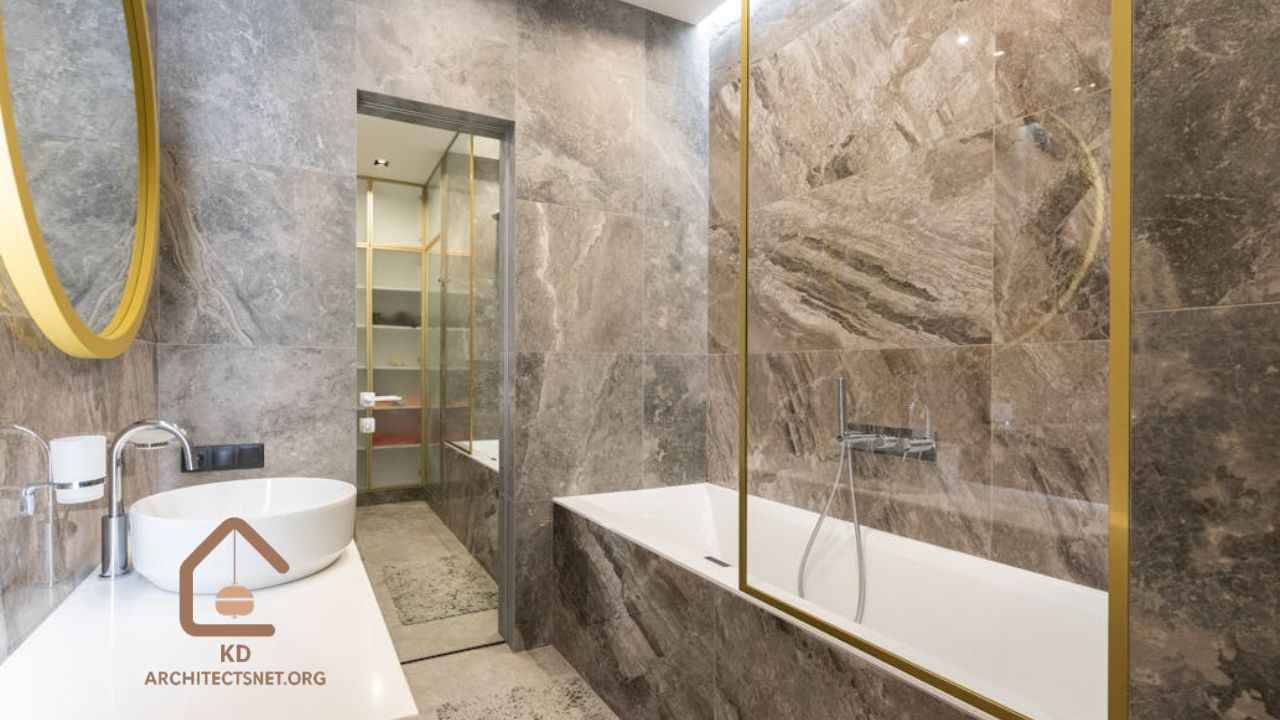
The bathroom often becomes one of the earliest indicators that lifestyle changes are pushing design decisions forward, especially as routines grow longer, overlap more frequently, and demand greater access to shared resources. What once functioned adequately begins feeling restrictive as movement inside the space requires timing, awareness, and compromise, turning simple tasks into points of congestion that repeat daily. The issue is not visual appeal or surface condition, but the way the room handles repeated use without adding strain.
A bathroom revamp becomes a practical response once those patterns settle in and no longer feel temporary. Working with experienced professionals such as Quality Craftsmen matters because layout changes require understanding how people move through the space during real routines, not imagined ones. Their focus on access and durability allows the bathroom to support daily use without forcing adjustment, making the space feel intentional rather than reactive.
Health Habits
Health-focused habits bring heightened awareness to how spaces feel during extended periods of use, especially when air quality, moisture levels, and surface comfort start influencing energy and focus throughout the day. As such, the spaces that once felt acceptable can begin feeling uncomfortable or restrictive, not due to visible flaws, but because the environment no longer supports sustained use. Design decisions start responding to how the body experiences the space rather than how the space presents itself visually.
Vent placement, wall finishes, and flooring materials gain importance as they affect comfort across long stretches of daily activity. These choices support consistency by reducing physical strain and discomfort, allowing spaces to feel stable during repeated use.
Work From Home
Remote work places continuous pressure on homes that were never designed to support focus, communication, and personal life simultaneously. Noise travels differently, visual interruption becomes constant, and shared spaces begin carrying responsibilities they were never meant to handle. Such challenges are structural rather than situational, and they cannot be solved by rearranging furniture or adding temporary solutions.
Design decisions respond by addressing how attention moves through the home during the day, shaping layouts that support concentration while allowing shared living to continue without constant disruption. Boundaries form through spacing, circulation, and thoughtful separation rather than complete isolation, allowing work to exist alongside daily life without overwhelming either.
Multigenerational Living
Multigenerational living introduces a level of complexity that exposes design weaknesses quickly, as different routines, movement speeds, and privacy needs collide within shared space. Circulation paths become critical because daily interaction increases, and poor flow creates friction that cannot be solved through compromise alone. Design decisions begin focusing on how people move through the home and how shared spaces support coexistence without constant negotiation.
Spacing, visibility, and access are arranged to allow independence while maintaining connection, reducing the need for ongoing adjustment.
Storage Needs
Storage challenges are rarely about having too little space and more often about having storage in the wrong places. As lifestyles change, items move more frequently between use and rest, and storage that once worked begins creating friction simply because it does not align with daily behavior. Design decisions start prioritizing placement and reach rather than volume alone.
Once storage integrates naturally into movement paths and routines, daily life feels easier to manage without constant effort. Items remain accessible without becoming visually overwhelming, and organization supports behavior rather than fighting it. Design succeeds when storage reduces mental load and allows the home to function smoothly throughout the day.
Natural Light
Spending longer stretches of time at home changes how natural light is experienced across the day, because light is no longer a background feature but something that directly affects focus, energy, and comfort during extended indoor hours. Rooms that once felt fine for brief use begin feeling draining if light levels fluctuate poorly or remain uneven, and design decisions start responding to how daylight supports sustained activity rather than how it looks in passing.
As this awareness grows, layout and window placement take on more importance, not for dramatic effect but for daily consistency. Light becomes something that supports routines from morning through evening, influencing where people choose to sit, work, and rest, and design begins prioritizing balance and distribution rather than brightness alone.
Minimalism
Minimalist habits often emerge as a response to mental and physical overload rather than a design preference, and once they take hold, they expose inefficiencies in how space is organized. Surfaces that collect unused items begin feeling distracting, and storage that hides frequently used belongings becomes frustrating, pushing design decisions toward clarity and intentional placement.
Design responds by aligning visibility with use, allowing spaces to feel calmer without constant effort. Storage, layout, and circulation begin supporting daily behavior instead of forcing concealment.
Kitchen Use
Increased cooking frequency places sustained demand on kitchen layout, revealing issues that occasional use never exposed. Movement between prep, storage, and cleanup areas becomes repetitive, and small inefficiencies compound throughout the day, turning routine tasks into sources of fatigue that cannot be ignored.
Design decisions begin focusing on sequence and access rather than surface updates, allowing the kitchen to function as a true daily workspace. This way, cooking feels manageable rather than draining, and the space holds up under consistent demand instead of only performing well in ideal conditions.
Pet Living
Pet ownership introduces constant movement, wear, and shared circulation that quietly shape how a home functions. Floors, thresholds, and shared paths experience repeated use, and design decisions become necessary to manage durability and flow without disrupting daily routines.
Homes adapt by reinforcing high-contact areas and aligning layout with shared movement patterns. When design accounts for pets as active occupants rather than afterthoughts, the space feels easier to manage and more resilient under daily use.
Lifestyle changes push home design decisions through repetition and pressure rather than inspiration. As habits evolve, spaces reveal where they support daily life and where they resist it, guiding design toward solutions that reduce effort and improve consistency.